
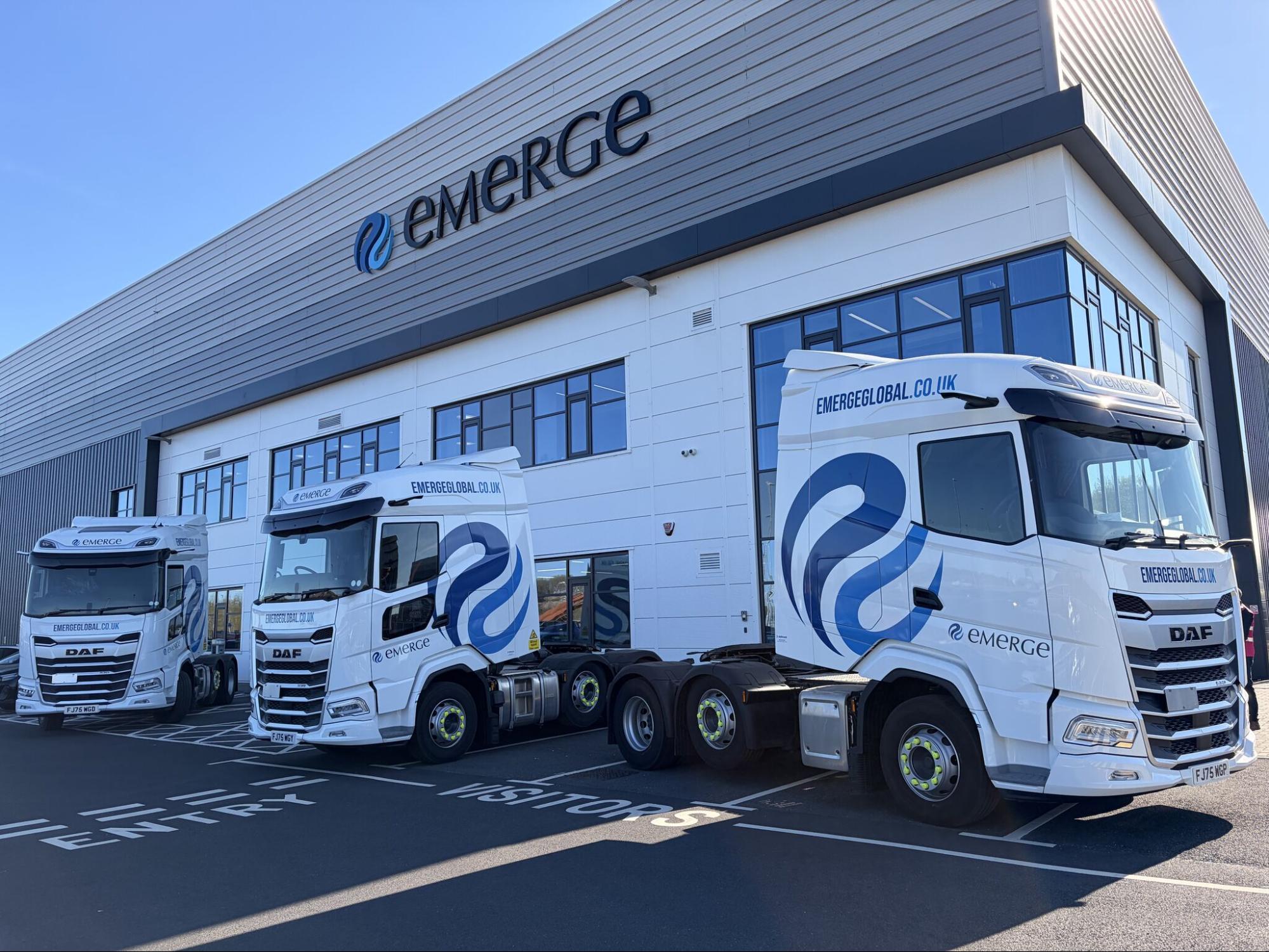
For a lot of businesses, their HGV fleet is their greatest operational cost. Not just the upfront purchasing expense, but the maintenance and everything that goes with it. So, while buying vehicles outright has always been viewed as the straightforward way to build an asset-based business, more recently, CFOs have begun to question whether owning the fleet still makes financial sense.
Increasingly, the answer is no. Because HGV contract hire can help you achieve the same service and flexibility at a reduced cost.
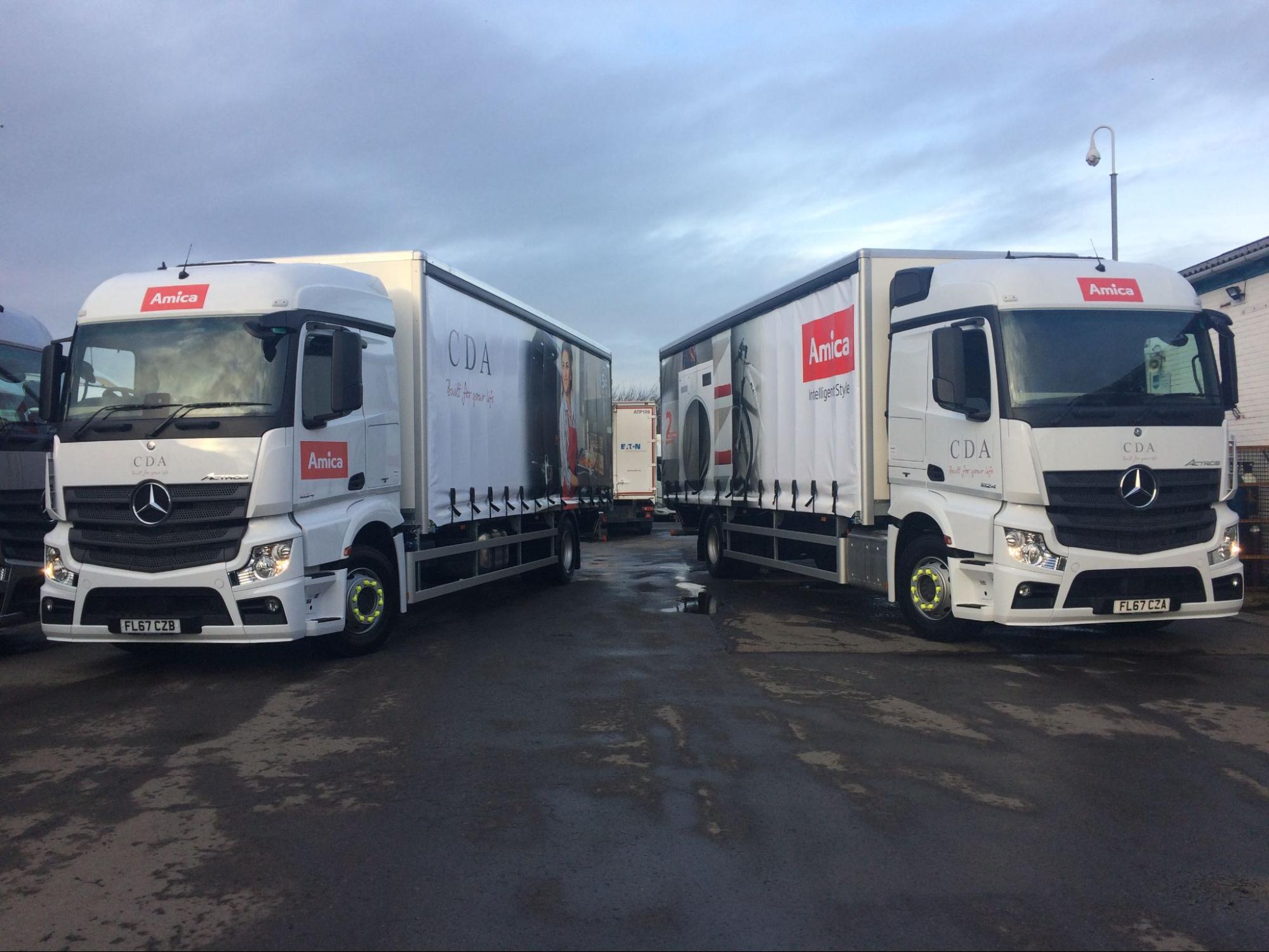
Buying a HGV requires a significant upfront investment. Even when vehicles are financed, the business is committing capital to assets that depreciate over time. With contract hire, you still have a fixed monthly fee for an agreed period, but you’re paying for more than just use of the vehicle. Depending on the supplier you work with, you can incorporate maintenance, body shop and workshop services, MOT, and even livery into your contract. All for a predictable monthly sum. With the added reassurance that your vehicle access can scale with your business’ needs. Whether that’s shrinking back for quieter periods or increasing for new customer acquisition.
Tying substantial amounts of cash up in HGVs can limit a company’s flexibility and ability to respond to changing conditions. With HGV contract hire, the leasing provider funds the vehicle acquisition, allowing the business to spread the cost over the contract term. So, businesses can access the vehicles they need without making a large upfront investment.
There’s also the added benefit of disposal. At the end of a contract, you can just return the vehicle to the provider for disposal. Freeing you from the future expense.
We are in no way qualified to advise you about tax. But there is always a distinction between buying and leasing large equipment. Capital allowances generally apply to assets a business buys and keeps. They don’t, as a general rule, apply to leased equipment, including HGVs. That means the tax calculation for HGV contract hire is different from buying a vehicle outright. Every case is different, but hiring can often be more tax efficient.
There is an important accounting distinction in 2026: contract hire should not automatically be described as an “off-balance-sheet” solution. For businesses reporting under IFRS 16, and increasingly under the revised FRS 102 requirements, lease accounting can bring lease assets and liabilities onto the balance sheet. The Financial Reporting Council (FRC) confirms that the principal effective date for the FRS 102 periodic review changes is 1 January 2026.
The real balance-sheet benefit is therefore broader than simply removing an asset from the accounts. Contract hire can reduce the need to commit capital to vehicle ownership, improve capital allocation, and transfer certain asset-value and disposal risks to the specialist provider.
Modern fleet management is no longer simply a transport issue. It is a financial and procurement decision. A well-structured HGV contract hire arrangement can combine predictable expenditure, reduced capital commitment, professional maintenance and greater control over vehicle replacement. Alltruck provides contract hire alongside asset management, maintenance, and fleet management services, giving businesses a more joined-up approach to their commercial vehicle requirements.
For CFOs reviewing fleet strategy, the question is increasingly not “can we afford to buy our HGVs?” but “where should our capital be working hardest?”
For many businesses, HGV contract hire provides the flexibility to put that capital to better use.
Interested in fleet hire from Alltruck? Get in touch to discuss your needs.