
Peak season rarely arrives quietly. Whether it’s the Christmas rush or the summer scramble, transport teams are expected to respond quickly and keep goods moving. For fleet managers and logistics planners, the challenge is balancing capacity with cost. Invest too heavily in permanent fleet expansion, and you risk underused vehicles during quieter months. Fail to scale quickly enough, and service levels can suffer. That’s why more businesses are turning to flexible truck rental to support seasonal operations.
Ready to scale your fleet without the long-term commitment? Whether you are gearing up for a seasonal rush or need a temporary replacement vehicle, we have the right truck for the job. Explore our flexible rental options today to keep your business moving efficiently.
Seasonal demand puts pressure on every part of the supply chain. Delivery schedules tighten, warehouse throughput increases, and customer expectations rise significantly. At the same time, operators are often working with fleets that are already under pressure.
Retailers preparing for Black Friday or Christmas may suddenly need additional assets for several weeks. Food distributors can experience spikes around holidays or major events. Logistics providers handling contract work may need to respond quickly to temporary increases in volume.
The challenge is that buying additional vehicles outright for a short-term need rarely makes financial sense. Commercial vehicles are a major investment, and unused bits of kit during quieter months can quickly become a drain on budgets.
Flexible truck rental gives businesses another option. Instead of committing to permanent fleet expansion, operators can scale capacity only when demand requires it.
With access to short-term HGV rental, transport teams can quickly increase fleet size without lengthy finance agreements or long-term maintenance responsibilities. Vehicles can be hired for weeks or months, depending on operational requirements, giving businesses the flexibility to respond as demand changes.
For many operators, it’s become less about owning every vehicle outright and more about having access to the right vehicles at the right time.
Retail is one of the clearest examples of seasonal transport pressure. Demand can rise dramatically in a short period, particularly during major shopping events and holiday trading.
Online retail growth has only intensified this challenge. Faster delivery expectations mean retailers and logistics providers often need additional vehicles to support regional distribution and final-mile operations.
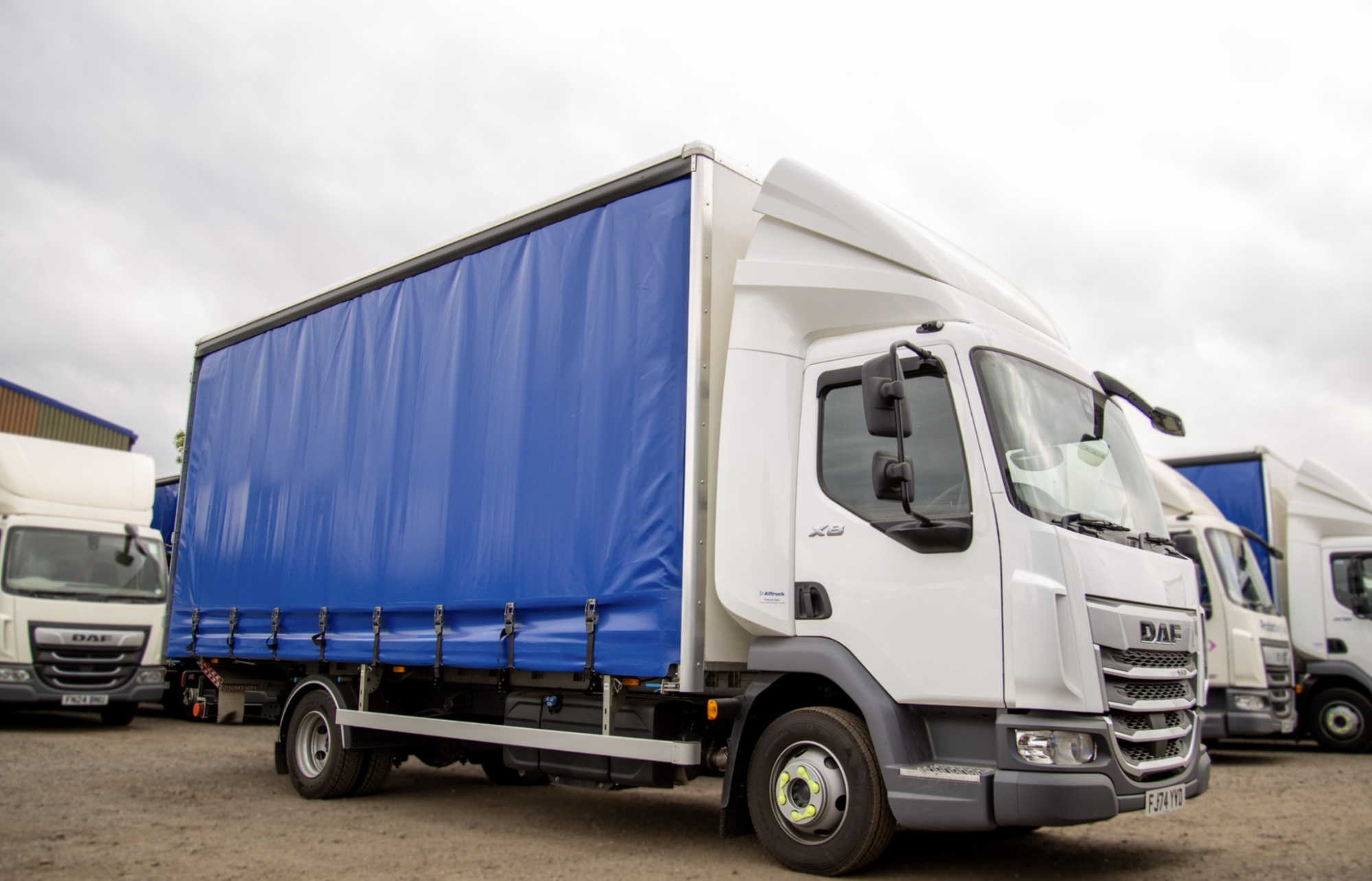
An 18t box truck rental can be particularly valuable during these periods. These vehicles provide the payload capacity needed for high-volume deliveries while remaining practical for urban and regional routes. For businesses moving palletised goods between warehouses, stores, and distribution hubs, they offer an efficient way to manage increased order volumes without permanently expanding the fleet.
For operators using demount or swap body systems, flexibility becomes even more valuable. A demount allows operators to leave loaded bodies at customer sites while the prime mover continues working elsewhere. This supports efficient drop and swap operations and reduces downtime during loading and unloading.
A drawbar combination can further increase efficiency by allowing a rigid vehicle carrying one swap body to tow a trailer with a second. During peak periods, this can significantly increase delivery capacity without dramatically increasing fleet numbers.
Because these demand spikes are temporary, hiring additional assets allows businesses to maintain service levels without carrying excess vehicles for the remainder of the year.
Food distribution presents its own operational challenges. Demand can fluctuate rapidly around seasonal events, weather changes, and consumer buying habits. Reliability is critical because delays can affect stock availability and customer satisfaction.
For food distributors, flexible truck rental can help maintain continuity during periods of increased demand or unexpected fleet pressure.
Short-term vehicle hire can support businesses dealing with temporary contract increases, vehicle downtime, or planned maintenance schedules. It also allows operators to scale distribution capacity without disrupting normal operations.
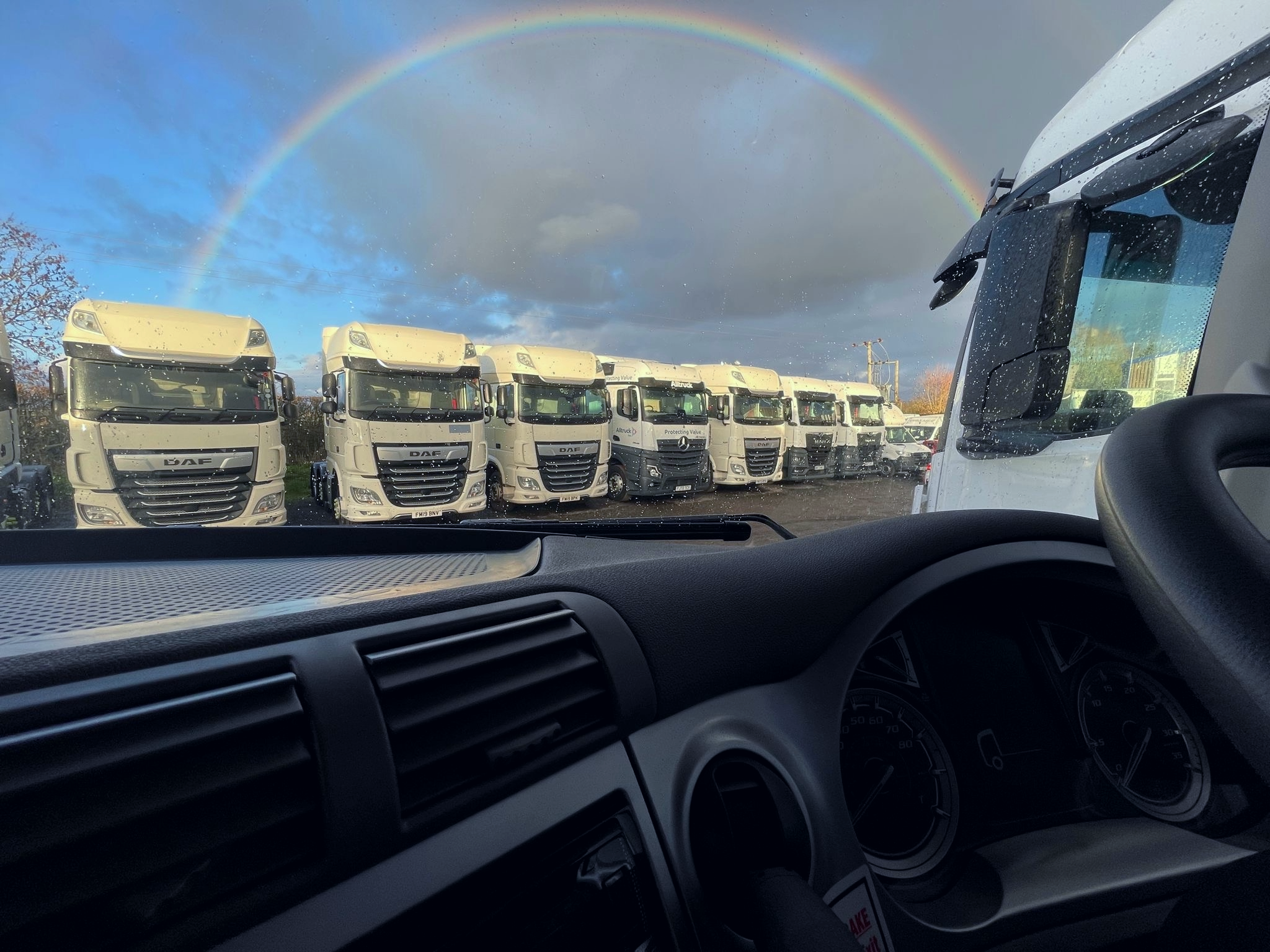
Access to additional tractor unit hire can help operators move greater volumes efficiently across regional and national supply chains. Whether supporting trunking operations between distribution centres or handling increased supplier collections, additional prime movers provide flexibility exactly where it’s needed.
Demount systems are also becoming increasingly popular because they improve turnaround times. Straight-lift systems, for example, use the vehicle’s air suspension to lift the chassis into the body, supporting higher payload capability while speeding up vehicle exchanges. Combined with industry-standard twist-locks, these systems help operators maximise efficiency during busy periods.
For third-party logistics providers, flexibility is often essential to remaining competitive. Contract volumes can change quickly, and customer requirements may vary throughout the year.
Winning a new contract may require immediate additional fleet capacity. Equally, temporary projects or seasonal distribution agreements may only last several months.
Purchasing new vehicles outright in these situations can introduce unnecessary financial risk. Flexible short-term HGV rental allows logistics businesses to take on new opportunities without overextending capital expenditure.
It also creates breathing space. Operators can assess whether increased demand is sustainable before committing to permanent fleet growth. This is particularly valuable when businesses are onboarding new customers, testing new markets, or managing temporary supply chain changes.
One of the biggest risks during peak season is allowing compliance standards to slip under operational pressure. Flexible truck rental can help businesses manage compliance standards more effectively by providing professionally maintained vehicles that are prepared for immediate operation.
This includes keeping up with PMI schedules, roller brake testing, laden brake testing, and mandatory tacho calibrations. Tachograph accuracy is especially important because even small discrepancies can affect driver records and contribute to poor OCRS performance.
Vehicles supplied through reputable rental providers are typically maintained in line with the Government Guide to Maintaining Roadworthiness, helping operators remain compliant even during demanding trading periods.
For vehicles fitted with lifting equipment, LOLER compliance is another important consideration. Tail lifts and lifting systems must be regularly inspected and maintained to ensure they remain safe and legally compliant during operation.
Flexible rental also helps reduce operational pressure across the wider fleet. Bringing in additional assets allows workloads to be spread more evenly while ensuring scheduled maintenance can still take place without disrupting deliveries.
For transport managers, this provides valuable resilience during the busiest times of the year.
Seasonal demand is unlikely to become any more predictable. Consumer expectations continue to evolve, supply chains remain under pressure, and businesses are expected to deliver faster and more efficiently than ever before.
That’s why flexibility is becoming increasingly important across the transport sector.
Whether through 18t box truck rental, tractor unit hire, demount systems, or short-term HGV rental, flexible fleet solutions allow businesses to scale operations without unnecessary long-term commitments.
For fleet managers, transport directors, and logistics planners, that flexibility can help reduce operational pressure, control costs, and maintain service performance during the busiest periods of the year.
Are you looking for reliable Truck Rental solutions to support your peak season operations? Get in touch with All Truck.