
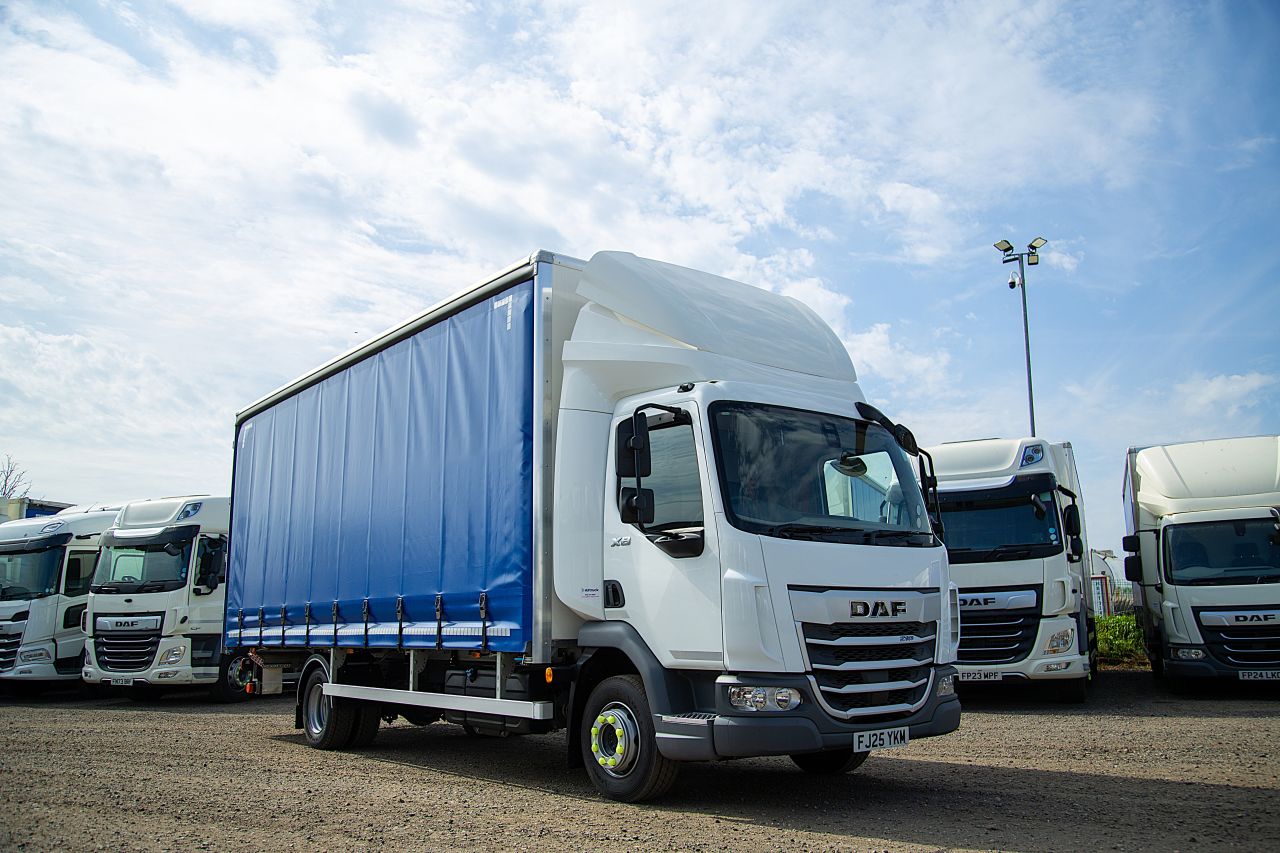
For transport operators and procurement managers, peak season planning can’t happen soon enough. Because when it comes to securing additional fleet capacity for Black Friday and Christmas, October is later than you think.
The final quarter is one of the busiest periods in the transport calendar. Retailers increase stock movements, warehouses prepare for higher volumes, e-commerce activity accelerates, and delivery schedules become tighter. The result is a familiar problem: more operators looking for additional vehicles at exactly the same time.
That can make truck rental and trailer rental harder to secure while reducing your choice of vehicle types, rental periods and collection dates. It can also leave procurement teams negotiating from a weaker position, particularly when a vehicle is urgently needed rather than strategically planned.
The smarter approach is to treat September as the point at which peak-season fleet requirements should be secured, not the month when planning finally begins.
The biggest mistake operators make is thinking about peak demand only when their own order volumes start increasing. By that point, the wider transport market is often reacting to the same seasonal pressures.
The final quarter creates additional demand across retail, FMCG, manufacturing, warehousing, pallet distribution and e-commerce. Rental fleets are therefore being assessed by multiple operators simultaneously. The vehicles that are easiest to place — popular tractor units, rigid trucks and commonly specified trailers — can become increasingly difficult to secure at short notice.
This is where the difference between September and October planning becomes significant. In September, you can approach a rental provider with a clear requirement and discuss the options available. By October, you may be asking what is left.
That distinction matters. Procurement is at its strongest when there is time to compare vehicle specifications, rental periods, costs and operational suitability. It becomes much more reactive when a transport manager simply needs a truck on the road by next week.
Industry rental data also highlights the importance of seasonality. The BVRLA notes that demand for rental vehicles can rise during the final quarter as logistics businesses require additional capacity for Christmas deliveries.
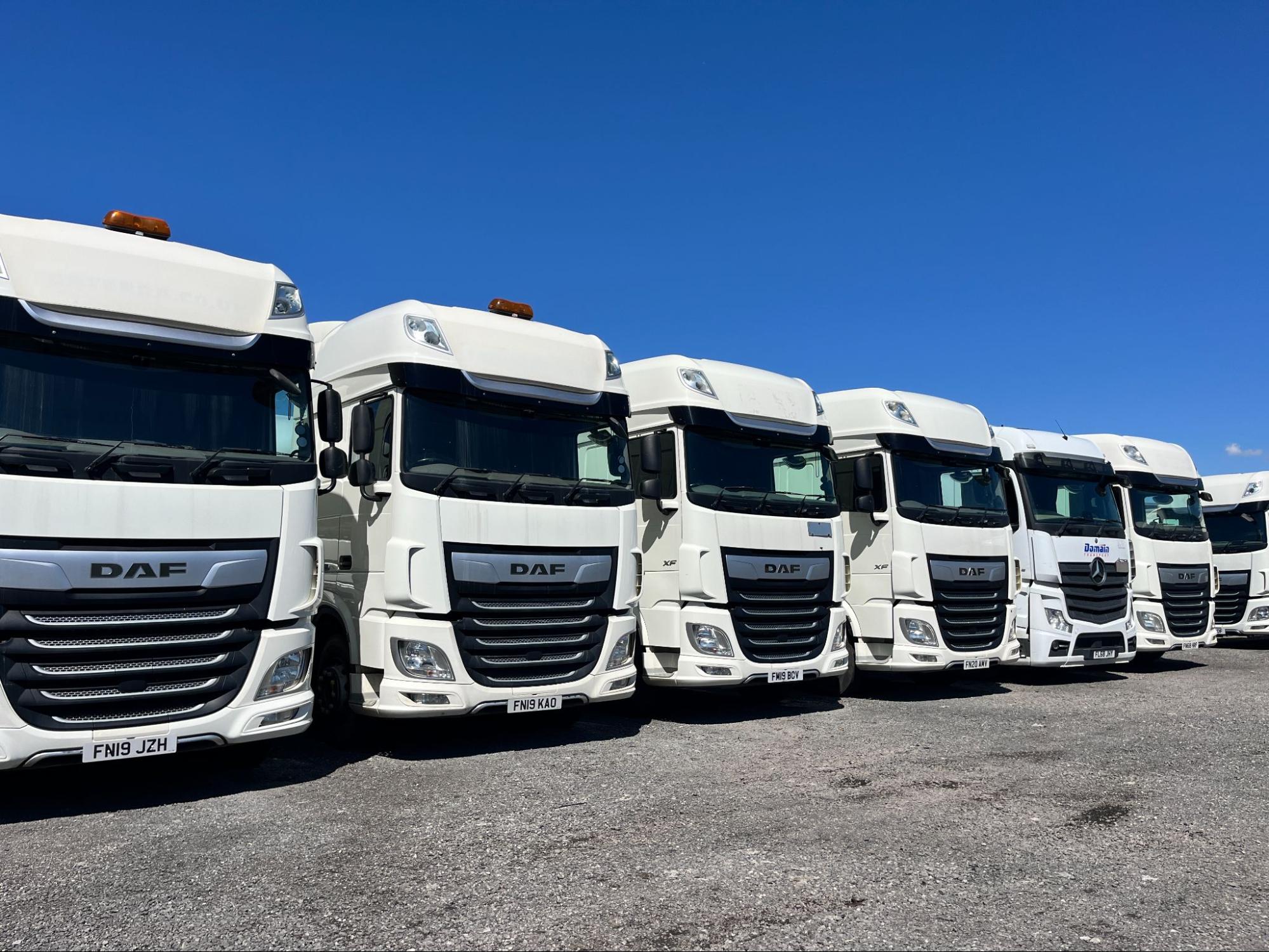
Black Friday has become an important milestone in the peak-season transport calendar. It is not simply a single day of increased retail activity. For transport operators, the impact can extend across the weeks before and after the event as retailers build inventory, fulfil online orders and manage increased distribution volumes.
In 2026, Black Friday falls on 27 November, with Christmas Day obviously following on 25 December. That creates a relatively short window in which transport businesses need additional capacity to be available, operational and properly integrated into their existing fleet.
If you wait until October to start looking for truck rental, you are therefore not just competing with other operators for vehicles. You are also competing against the clock. And once availability tightens, the cheapest option is not necessarily the most economical one. A vehicle that is available but poorly suited to your operation can create additional costs through reduced payload, inefficient routing, driver unfamiliarity or operational downtime.
For procurement managers, September is valuable because it creates options. You can review your expected peak volumes, identify the gap between permanent fleet capacity and anticipated demand, and then approach rental providers with a defined requirement.
That gives you time to consider questions such as:
Looking to book rental trucks and trailers? Get in touch with Alltruck and find out how we can help!
The earlier these questions are answered, the easier it is to build a fleet solution around the operation rather than forcing the operation to fit whatever vehicles happen to be available.
Permanent fleet expansion is rarely the ideal answer to a demand spike that lasts only a few weeks or months. Buying additional vehicles means committing capital to assets that may be significantly less utilised once the seasonal peak has passed. For many operators, flexible truck rental provides a more proportionate way of increasing capacity.
Alltruck’s rental fleet covers vehicles from 3.5-tonne vans through to 44-tonne tractor units, with options including 7.5t, 12t, 18t and 26t vehicles. The fleet is maintained and inspected before rental, providing operators with access to additional capacity without having to purchase vehicles outright.
For a procurement team, this flexibility can be particularly useful when demand is difficult to forecast precisely. You may know that volumes will increase, but not necessarily know whether the additional requirement will last four weeks, eight weeks or the entire Christmas period. Rental allows capacity to be scaled around the actual requirement.
The answer to a peak-season capacity problem is not always another complete vehicle. For operators with spare tractor units, adding trailers can be a highly effective way to increase transport capacity. Trailer rental can provide additional carrying capacity while allowing existing assets to work more efficiently.
Alltruck supplies both curtain-side and box trailer options, with trailers available with or without tail lifts and alongside tractor units where required. This can be particularly useful for operations where loading and unloading creates significant downtime.
Having additional trailers available can allow one trailer to be loaded while another is on the road, helping operators make better use of available tractor units and driver hours. For businesses handling high volumes during peak periods, that additional flexibility can make a meaningful difference.
The key is to consider trailers as part of the wider fleet strategy rather than treating them as an afterthought.

Start with last year’s data. Review peak-season volumes, vehicle utilisation, delivery schedules, customer requirements, overtime and any occasions when capacity became constrained. Then identify the likely gap between your core fleet and your expected peak requirement. Do not simply plan for the average week. Identify your highest-demand periods and build sufficient capacity around them.
Once you know how many vehicles you may require, establish exactly what those vehicles need to do. Consider payload, body type, access requirements, operating environment, mileage, rental duration and driver requirements. This is also the point to decide whether you need complete truck rental solutions, additional trailers, or a combination of both.
This is the critical stage. Rather than waiting until October to confirm requirements, aim to have your peak-season fleet agreed and booked during September. Securing vehicles earlier gives your rental provider more time to plan availability and gives your own team greater certainty over fleet capacity. It also means that October can be used for implementation rather than emergency procurement.
By October, your focus should move from finding vehicles to preparing them for operation. Confirm collection or delivery arrangements, allocate vehicles to routes, plan driver familiarisation and check that documentation and compliance requirements are in place. This is also a good point to review your contingency capacity. If one of your permanent vehicles becomes unavailable during the busiest week of the year, what is your fallback?
Once peak season arrives, the goal is simple: keep vehicles moving. Monitor utilisation closely and communicate with your rental provider if requirements change. If volumes increase beyond expectations, having an established relationship and an existing rental arrangement can make it easier to explore additional capacity.
When discussing peak-season rental, procurement teams naturally focus on price. But the cheapest daily rate does not necessarily produce the lowest overall cost. A late vehicle can mean missed deliveries. The wrong specification can reduce productivity. An unavailable vehicle can force an operator to outsource work at short notice. A shortage of trailers can leave tractor units underutilised.
There is also the less visible cost of management time. Emergency vehicle sourcing takes procurement, transport and operations teams away from their normal responsibilities. Planning ahead reduces those risks. The objective should therefore be to achieve the right balance between rental cost, availability, vehicle suitability and operational resilience.
Peak season does not begin when Black Friday arrives. From a fleet perspective, it begins when operators start competing for the same limited capacity. That is why September should be treated as the deadline for securing additional truck rental and trailer rental requirements.
For 2026, the window is particularly clear: Black Friday arrives in late November, followed by the Christmas peak in December. Waiting until October may still produce a solution. But it can reduce your choice, increase pressure on procurement and leave you accepting a vehicle solution rather than selecting the right one.
At Alltruck, the focus is on providing flexible commercial vehicle rental solutions for operators that need additional capacity without unnecessary long-term commitments. Our rental operation supports customers across the UK through our fleet and nationwide network.
If you know you will need an additional fleet for Black Friday and Christmas, September is the time to act. Don’t wait for the peak to tell you that you should have planned for it.
Ready to book your rental trucks and trailers? Get in touch with Alltruck.