
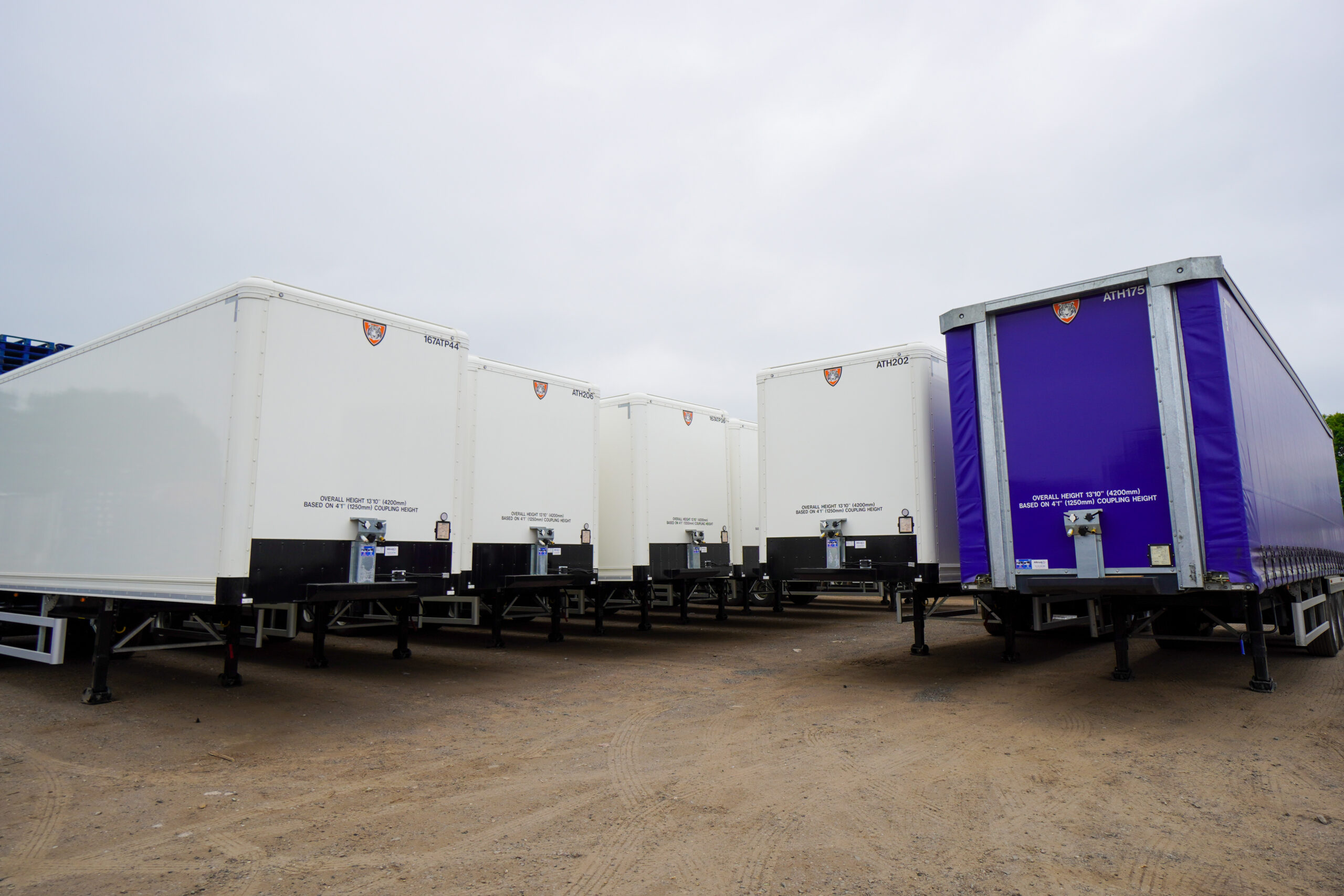
For warehouse and supply chain directors, the final quarter is always the same. Black Friday promotions, Christmas shopping, and e-commerce demand are going through the roof. You need more stock, but you don’t have the space to accommodate it. And it’s started already. By October, warehouse capacity begins to feel tight. Pallet locations are harder to find. Loading bays are busier. And your teams are finding more creative places to store incoming deliveries. You can lease additional warehouse space, but that’s expensive and inflexible. So maybe trailer rental is worth considering.
While most companies use trailers to move goods, you can also use them as temporary storage. And with effective fleet management, rented trailers can help businesses to create additional space and respond to seasonal demand without committing to additional premises.
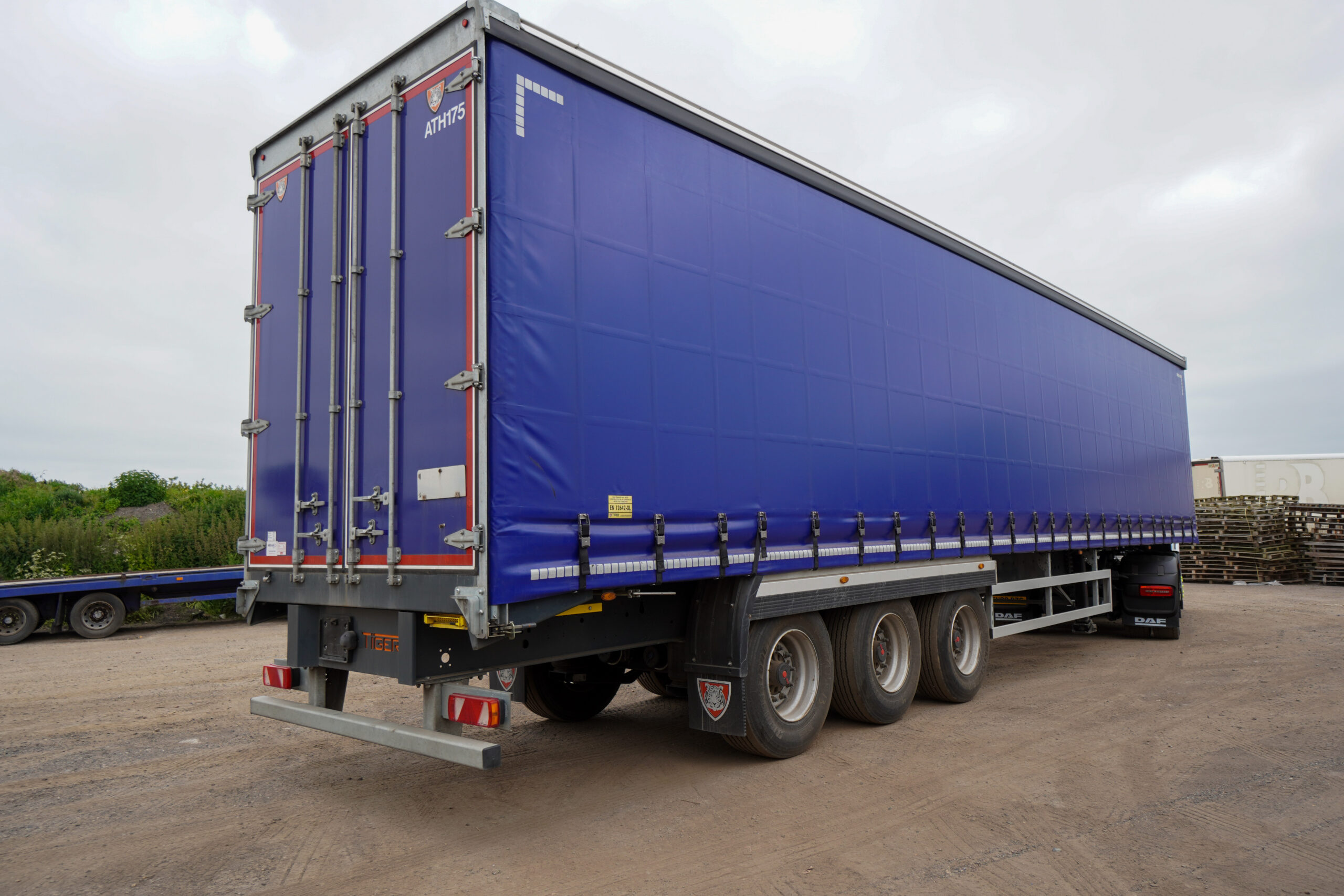
The final quarter places additional demands on almost every part of the retail supply chain. Retailers bring in extra inventory, suppliers increase deliveries, and distribution centres prepare for the surge in orders that accompanies Black Friday and Christmas. The problem is that stock often arrives before it needs to leave. Businesses need to build inventory weeks before promotional events, and this creates a mismatch between the space required and the space available. But the issue is seasonal, so investing in extra permanent capacity doesn’t make sense.
What’s needed is a solution that responds to changing stock levels without unnecessary long-term costs.
A rented trailer can serve as a temporary storage unit within a carefully managed warehouse operation. Positioned in a safe area of a distribution centre, it can hold selected goods until they are required. So, if a business receives Black Friday promotional products several weeks before the event, rather than taking up warehouse space before it’s needed, it can be stored in trailers until it is needed. Leaving the main warehouse with more room for fast-moving products and day-to-day fulfilment.
Trailers can also help manage the transition between inbound deliveries and outbound distribution. Where space and operating procedures allow, they can hold staged loads while warehouse teams prepare the outgoing distribution. So, rather than labelling them as just a way to transport goods from A to B, think of trailers as an asset that can help in other ways.
Adding trailers is only part of the solution. You need to have clear oversight to ensure that you know which stock is where and what trailers are available. That’s where fleet management comes in.
A structured fleet management process can help you track trailer locations, allocations, status, and planned movements. Each trailer can be assigned a specific purpose, such as holding promotional stock, buffering supplier deliveries, or staging outbound orders. While accurate records help teams monitor the goods allocated to each unit and when those goods are expected to move. With the right tracking tech, you can also monitor trailer movements to support planning and accountability.
Visibility is always particularly important during Q4, because warehouse requirements can change quickly. And effective fleet management helps you to treat trailers as a coordinated resource rather than a collection of disconnected storage units.
Of course, not every trailer will suit every storage requirement. The right option depends on the goods being stored, how frequently they need to be accessed and how they will move through the site. You also need to consider trailer positioning. Think about movement and access – to both the trailer and loading bays – and how easy it is to unload.
Before introducing trailers as temporary storage, you need clear procedures covering:
Product-specific requirements, including temperature control and ventilation, also have to be considered, because a trailer obviously isn’t a purpose-built warehouse.
Short-term warehouse space can involve costs beyond the rental rate, including deposits, utilities, additional handling, and transport between sites. An additional warehouse located away from your main distribution centre may also create extra movements whenever stock needs transferring.
Trailer rental offers an alternative. Instead of committing to additional premises, you can explore adding storage capacity within your existing site, subject to space, access, and operational suitability. But it’s important to remember that trailer rental is not automatically cheaper than every alternative, particularly where specialist storage conditions are needed. But it can be worthwhile in many situations. Particularly where flexibility is important.
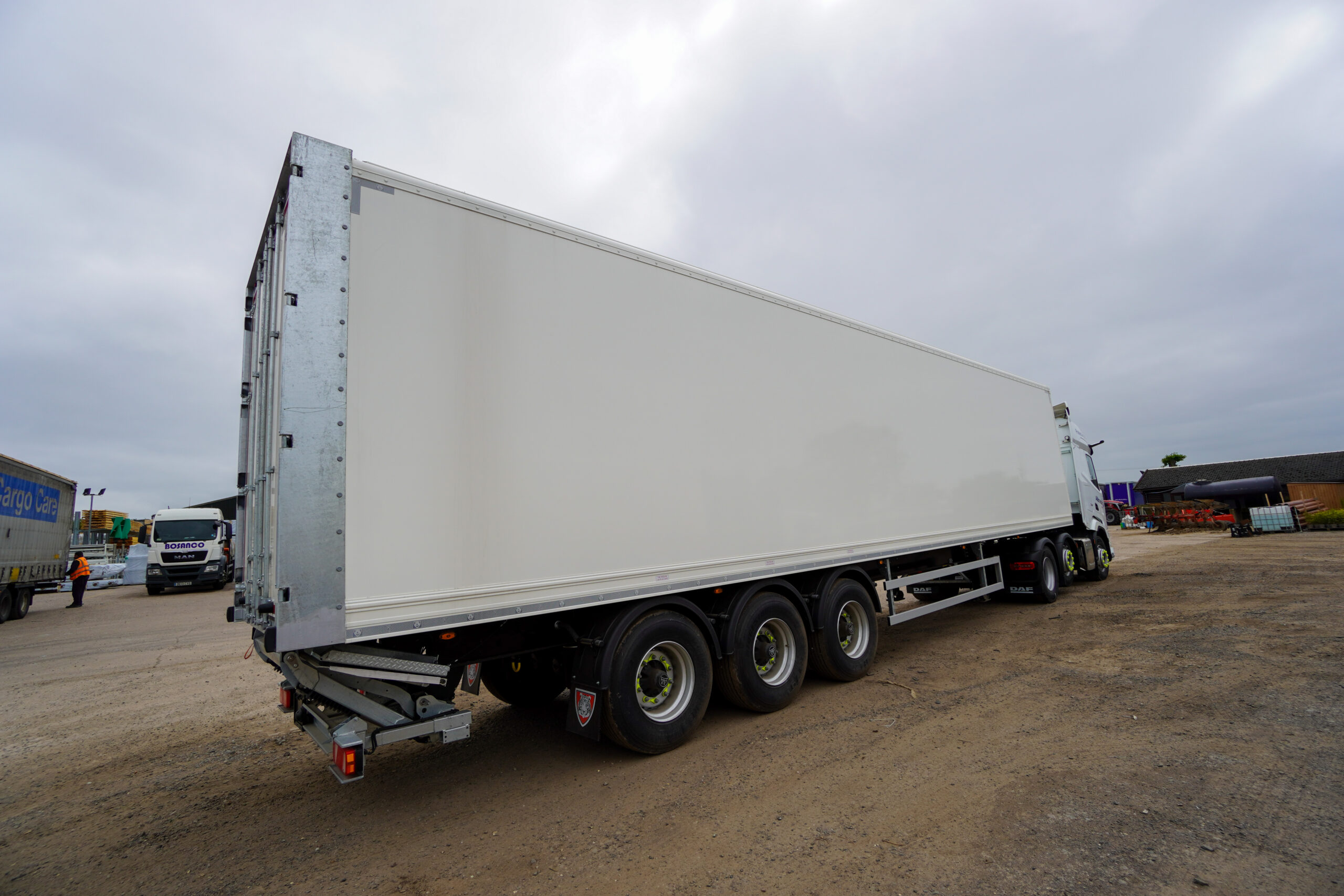
The best time to organise temporary storage is before warehouse space reaches its limit. By October, you’ll probably already be preparing for peak trading.
This makes trailer storage a planned part of the supply chain rather than an emergency response when the warehouse is already full.
Seasonal demand does not always justify expanding your warehouse footprint. Sometimes, the more practical solution is to make better use of the space and resources you already have. Trailer rental can give you another way to manage Q4 inventory pressures, providing temporary storage capacity that can be integrated into your operations. Combined with effective fleet management, it can improve visibility, support organised stock handling and help businesses respond to fluctuating demand.
If your distribution centre is preparing for Black Friday and Christmas, now is the time to assess where extra space could make the biggest difference.
Looking for a flexible solution to your Q4 capacity challenges? Get in touch with Alltruck to discuss your trailer rental requirements.